



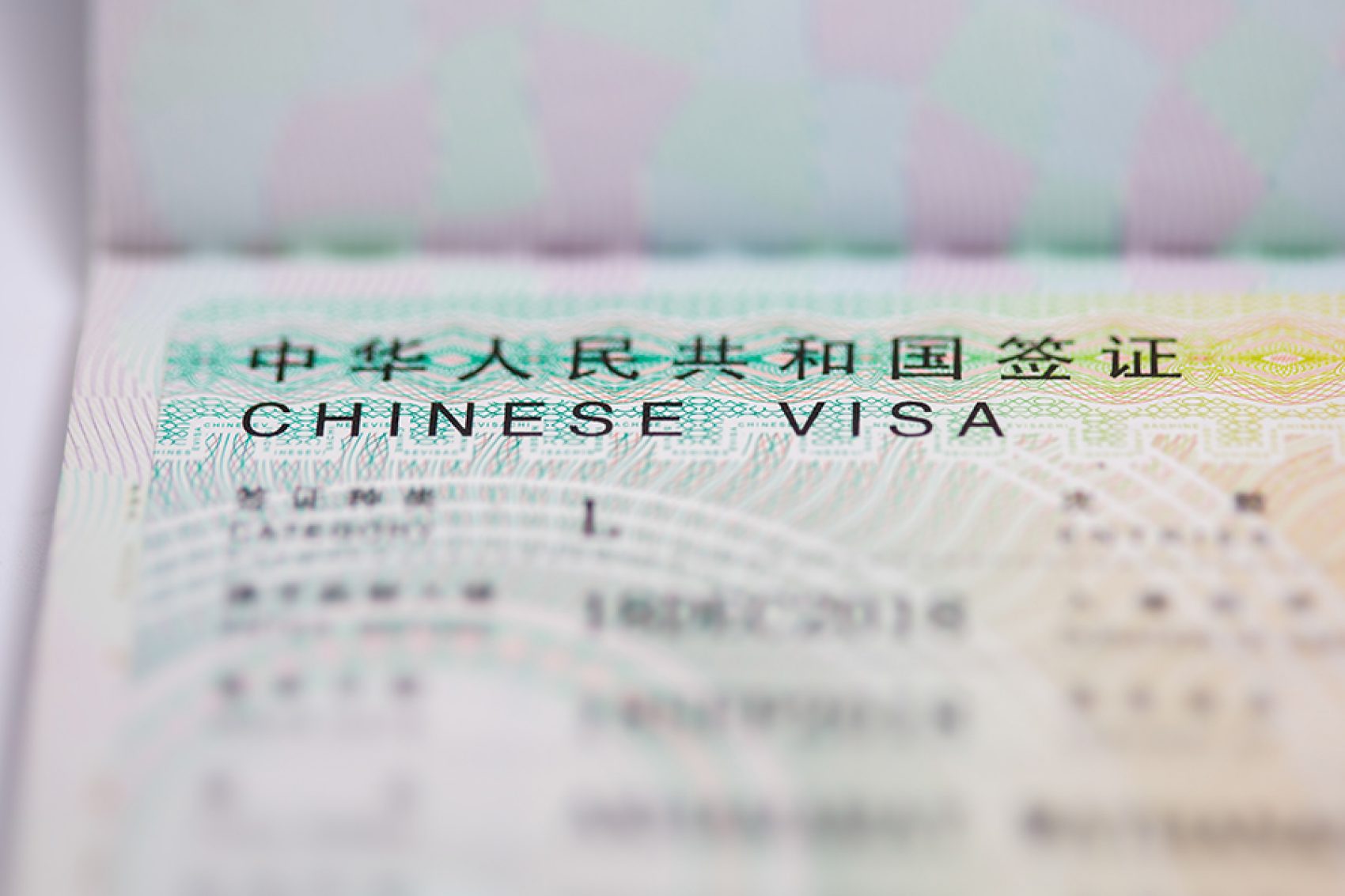
Applying for a visa to enter China
In most cases, travellers must apply for a visa to enter the Chinese Mainland.
While application requirements vary depending on your location and citizenship, there are a few things to note.文章源自Yotoo漫记Yotoo漫记-https://www.yotootoo.com/61.html
First, applications for a tourist visa (known as Category L) should be made through a Chinese Application Service Centre – not a consulate or an embassy – in a country where you have the right of stay. Make an online appointment at least one month in advance but no more than three months prior to your trip. You can find a detailed step-by-step guide here .文章源自Yotoo漫记Yotoo漫记-https://www.yotootoo.com/61.html
You’ll need to bring along your appointment confirmation sheet, passport, visa application form, a photo, proof of legal residence status, previous Chinese visas if available, your trip itinerary and round-trip plane ticket. Cost varies based on your citizenship.文章源自Yotoo漫记Yotoo漫记-https://www.yotootoo.com/61.html
Your visa is valid from the issuance date. Upon collection, remember to note the validity and number of entries – single, double or multiple. For instance, if you have a double entry visa valid until 20 June, your last visit must end prior to 11:59pm Beijing Time on 20 June. Unused visits after this date are deemed invalid.文章源自Yotoo漫记Yotoo漫记-https://www.yotootoo.com/61.html
Visa-free transit options for stays shorter than 30 days are also available to citizens from select countries. More countries are eligible for 24- and 240-hour passes which allow travellers to enter the country through designated ports and move around in limited areas. And until 31 December 2025, travellers from selected countries including France, Germany, Italy, Netherlands, Spain and Malaysia can enter the Chinese Mainland visa-free for up to 15 days for business, tourism, family visit and transit purposes.文章源自Yotoo漫记Yotoo漫记-https://www.yotootoo.com/61.html
 文章源自Yotoo漫记Yotoo漫记-https://www.yotootoo.com/61.html
Making payments in China
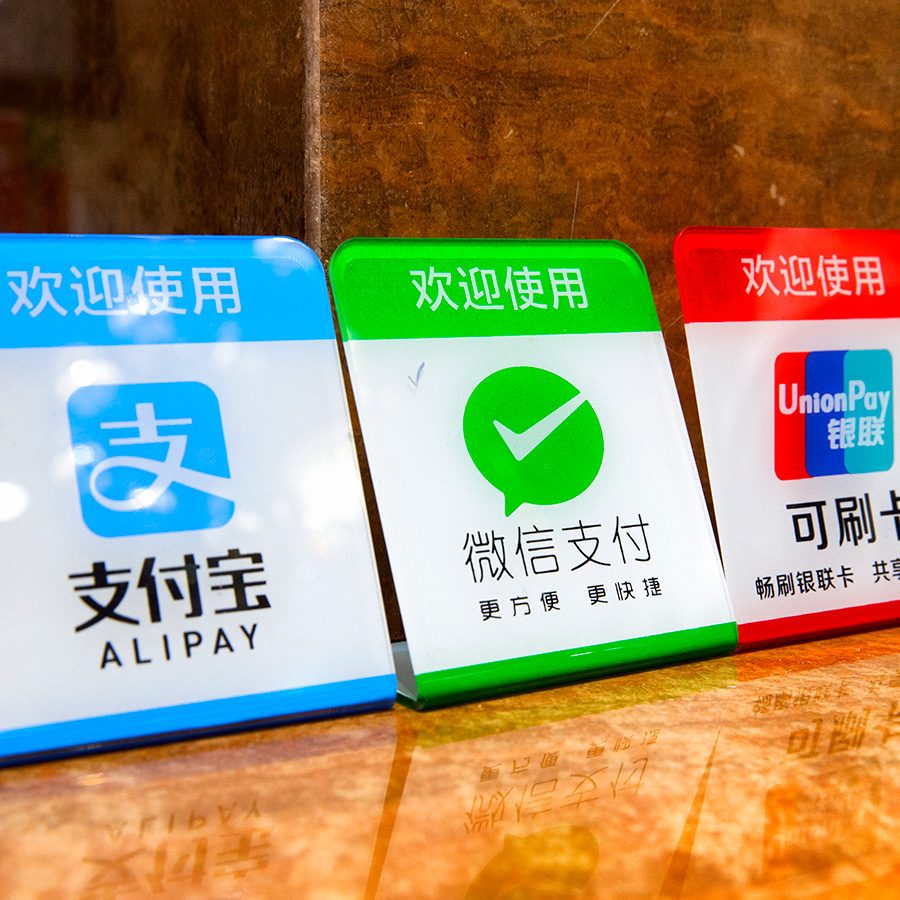
The Chinese Mainland is predominantly cashless. You’ll need to download one or two payment and communication apps to get around.文章源自Yotoo漫记Yotoo漫记-https://www.yotootoo.com/61.html
WeChat文章源自Yotoo漫记Yotoo漫记-https://www.yotootoo.com/61.html
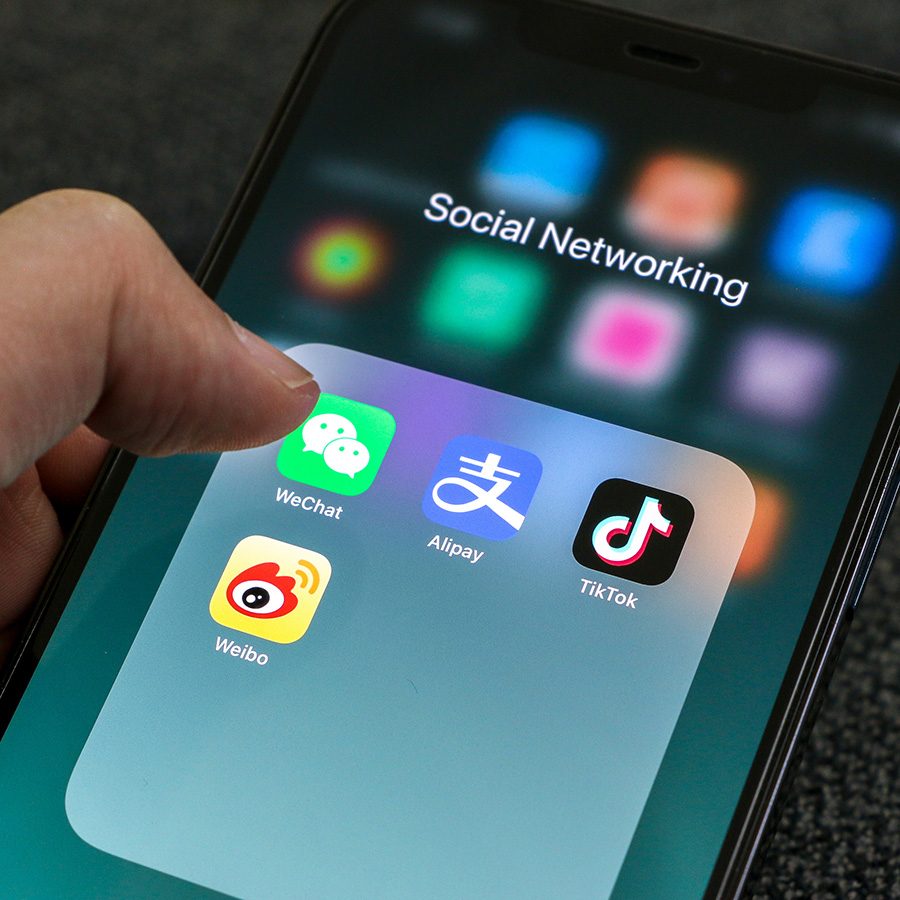
Since WhatsApp is restricted in the Chinese Mainland, it’s best to download WeChat (Weixin) for easy communication during your travels. The app is available on both the iOS and Android app stores. Once you’ve downloaded it, you’ll need to register your passport, a phone number that can receive a SMS verification (international numbers are accepted), and either a Chinese bank account registered under your Chinese phone number or a foreign credit card number.文章源自Yotoo漫记Yotoo漫记-https://www.yotootoo.com/61.html
WeChat is a one-stop platform for making payments, booking transportation, and performing just about every other daily task.文章源自Yotoo漫记Yotoo漫记-https://www.yotootoo.com/61.html
The app’s e-wallet function is particularly useful in predominantly cashless China. You can use it to make payments everywhere from restaurants and hotels to supermarkets and buses. Here’s a step-by-step guide to setting up your WeChat e-wallet: major international credit cards are supported and spending limits apply.
When making a payment at a checkout counter, you'll typically be presented with a QR code to scan. You can also create your own QR code with a pre-loaded amount of money.
Alipay
Another useful payment app is Alipay – not to be confused with AlipayHK – also available on both the iOS and Android app stores. This app can be used for payments to any merchant that displays an Alipay logo at their cashier. To set up your account, simply register with a phone number that can receive SMS, complete ID verification with your passport, then link your Chinese or foreign debit or credit card – Visa, MasterCard and JCB are all accepted. You can find detailed steps for Alipay registration here .
To make a payment at an Alipay merchant, simply scan their QR code using the app or have the cashier scan your own personal QR code.
Beyond Alipay merchants, the app’s TourCard function allows you to make payments at more than 30 million UnionPay merchants across the Chinese Mainland, topped up from stored funds transferred from your credit card.
Translating and speaking
Remember: Google Translate won’t work in the Chinese Mainland. Baidu Translate is a great option for speed and accuracy when you’re on the move. And of course, understanding some basic phrases in Putonghua will go a long way.
Plugs, adaptors and charging essentials
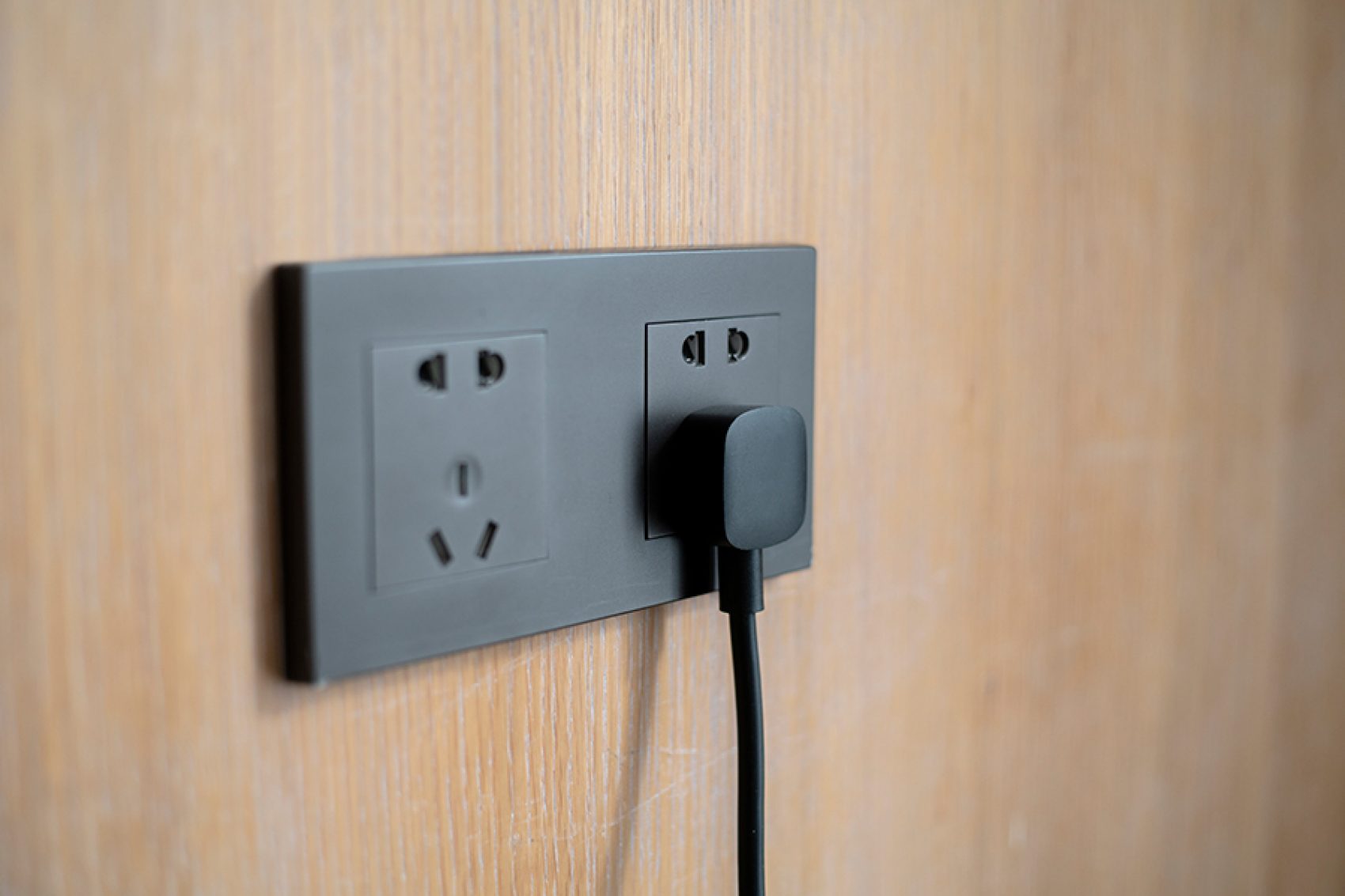
Three types of plugs are used in the Chinese Mainland: A (the most common), C and I, so it’s a good idea to pack a universal adapter. Travellers from North America should also bring a voltage converter, as the standard voltage in the Chinese Mainland is 220V compared to 120V in the United States and Canada. If you're visiting from Hong Kong, Europe, Australia, or the UK, a voltage converter is generally not necessary.

Getting around China
Exploring on foot? While Google Maps doesn’t work in the Chinese Mainland, Apple Maps works on iPhones and Android users can try Maps.Me , which has an offline function that won’t eat up data. You can also download Baidu Maps and Gaode Maps – the maps may be more accurate, though the results and interface will be in Simplified Chinese unless the location itself is in English.
To use China’s extensive metro system, you can make mobile ticket payments via WeChat or Alipay. If you’re visiting from Hong Kong, you can purchase an Octopus — China T-Union Card , which allows you to pay in HKD for bus, metro and ferry services in more than 300 cities.
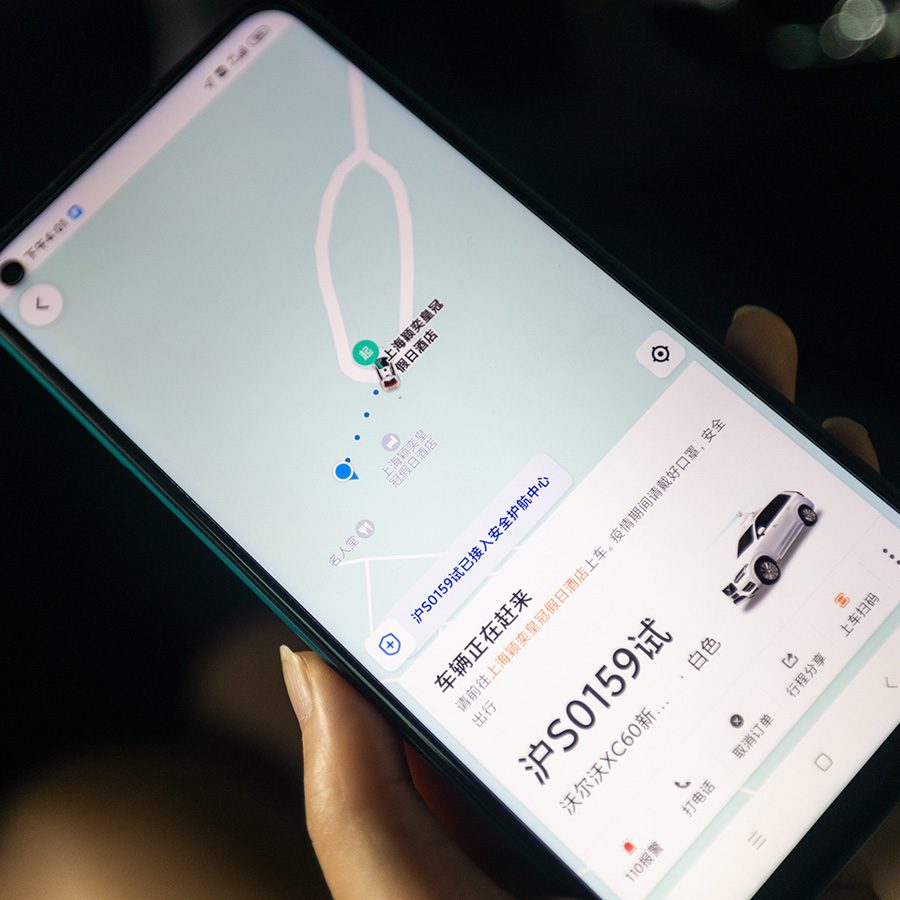
Ride-hailing apps are ubiquitous and inexpensive in China. The most widely used in the Chinese Mainland is DiDi . It accepts payments through international credit cards as well Alipay and WeChat.

Finding healthcare services
If you’ve caught a cold or are suffering from minor ailments, you can pick up over-the-counter medicines at a dedicated pharmacy or drugstore such as Watsons, LBX Pharmacy, GuoDa Drugstore and China Nepstar. They’re typically identifiable by a green cross sign at the shopfront.
For professional medical attention, visiting a hospital is your best option. The Chinese Mainland’s public medical institutions are classified into a three-tiered system, with secondary and tertiary tier hospitals providing more comprehensive medical care and access to higher quality equipment. In major cities, some public hospitals feature VIP wards which provide shorter wait times, enhanced medical care, greater privacy, and English-speaking staff for an additional fee.
Private international hospitals are a good option for visitors who prefer to be treated by fluent English-speaking doctors and nurses. Fees will be higher here if paying out of pocket, so it’s advisable to check your insurance policy to determine coverage for the medical services you may need.
Know your emergency contacts
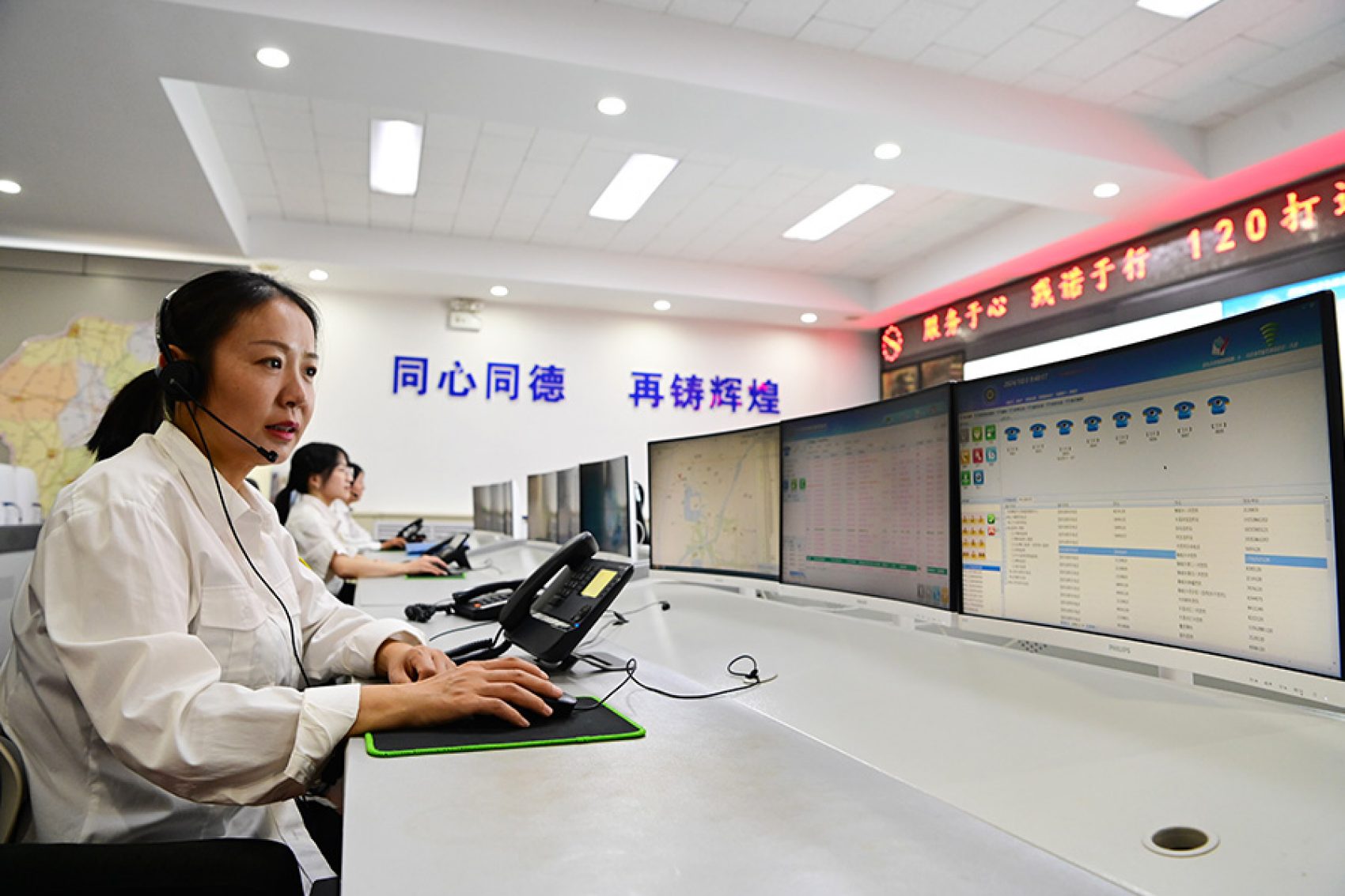
While we hope for smooth travels abroad, it’s important to be prepared for any incidents that may arise. Save these nationwide emergency numbers for the Chinese Mainland, which can be dialed free of charge.
Police: 110
National Fire and Rescue Administration: 119
Ambulance service: 120
Traffic accidents: 122
If you lose your travel documents or face serious emergencies such as a natural disaster or legal issue, your country’s embassy or consulate will serve as a vital point of contact. Keep a copy of their contact details – including the address and phone number – to hand (typically available on their official website) to communicate with drivers or locals who can assist you with directions.
It’s also a good idea to keep your travel insurance policy number and insurer’s contact details handy so that you can reach out for assistance with a claim or ask about your coverage.

Navigating Chinese cultural etiquette
If you’re meeting someone for the first time, greet them with a simple handshake or nod. Social hierarchy and order are highly valued in Chinese society, so be mindful to greet those present in order of seniority and always address individuals by their honorific title as a show of respect.
When in the Chinese Mainland for work, exchanging business cards is a customary practice. Always present and receive the card with both hands, and ensure that the text faces the recipient. If you’re invited to a banquet, pay close attention to table manners. It’s customary to serve elders and guests first before serving yourself.
China boasts a wealth of beautiful temples and monasteries and it’s important to dress and behave appropriately when visiting these religious sites. Err on the side of modesty by covering your shoulders, chest and knees, and avoid pointing at people or sacred objects, as this can be seen as disrespectful.
This article was originally published in September 2023 and updated in December 2024.
文章末尾固定信息